NFT gaming combines blockchain and video games, allowing players to own, trade, and earn from in-game assets as NFTs. It uses Play-to-Earn models and digital economies to reward users. At its core, Empire Crypto helps simplify NFT Gaming Explained, making it easier for beginners to understand, start playing, and explore earning opportunities in the GameFi ecosystem.
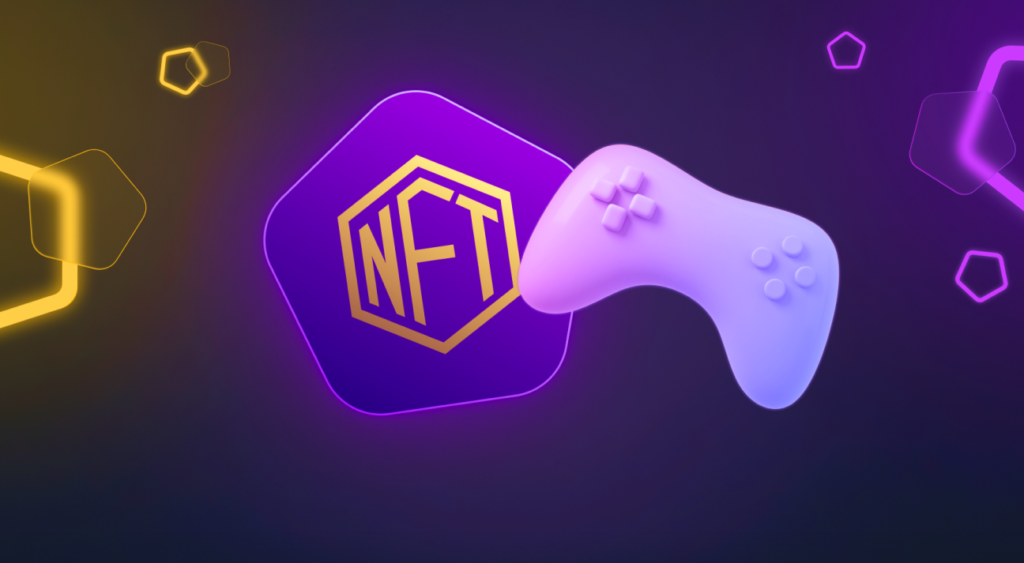
What is NFT Gaming?
NFT Gaming Explained starts with understanding NFTs.
NFT gaming refers to blockchain-based games where in-game assets like skins, weapons, characters, and land are represented as NFTs (Non-Fungible Tokens).
These NFTs are unique digital assets stored on a blockchain, meaning players truly own them.
Key Features of NFT Gaming
- True ownership of in-game assets
- Play-to-Earn (P2E) rewards system
- Blockchain-based economy
- Transparent transactions
- Interoperability in some games
Empire Crypto emphasizes that NFT gaming gives players financial value for their time spent gaming.
How NFT Gaming Works
NFT Gaming Explained becomes clearer when you understand its structure. NFT games run on blockchain networks like Ethereum, Binance Smart Chain, or Solana. Players connect crypto wallets and interact with decentralized game ecosystems.
Step-by-Step Process
- Create a crypto wallet
- Buy required tokens or NFTs
- Join an NFT-based game
- Play and complete tasks
- Earn rewards in crypto or NFTs
- Trade assets in marketplaces
Empire Crypto notes that this system removes traditional gaming restrictions.
Core Components of NFT Gaming Explained
NFT gaming has several important building blocks:
NFTs (In-Game Assets)
NFTs represent unique in-game items such as characters, weapons, skins, or virtual land. These assets can be owned, traded, or sold by players outside the game environment.
Blockchain Network
A blockchain network ensures that ownership and transactions of in-game assets are secure and verifiable. It prevents duplication and provides transparency for digital asset history.
Smart Contracts
Smart contracts automate in-game transactions such as rewards, trades, or item transfers. They execute automatically when conditions are met, reducing the need for intermediaries.
Game Tokens
Game tokens are cryptocurrencies used within blockchain games for rewards, purchases, and ecosystem participation. They often serve as both utility and incentive mechanisms.
NFT gaming works by combining NFTs, blockchain networks, smart contracts, and game tokens to create player-owned economies where users can earn, trade, and interact with digital assets.
Play-to-Earn Model in NFT Gaming
One of the biggest reasons NFT gaming exploded is the Play-to-Earn model.
What is Play-to-Earn?
Players earn crypto rewards by playing games.
Examples include:
- Completing missions
- Winning battles
- Trading NFTs
- Staking game tokens
Empire Crypto highlights that Play-to-Earn has turned gaming into a side income source for many users.
Popular NFT Games Examples
NFT Gaming Explained becomes practical when we look at real games.
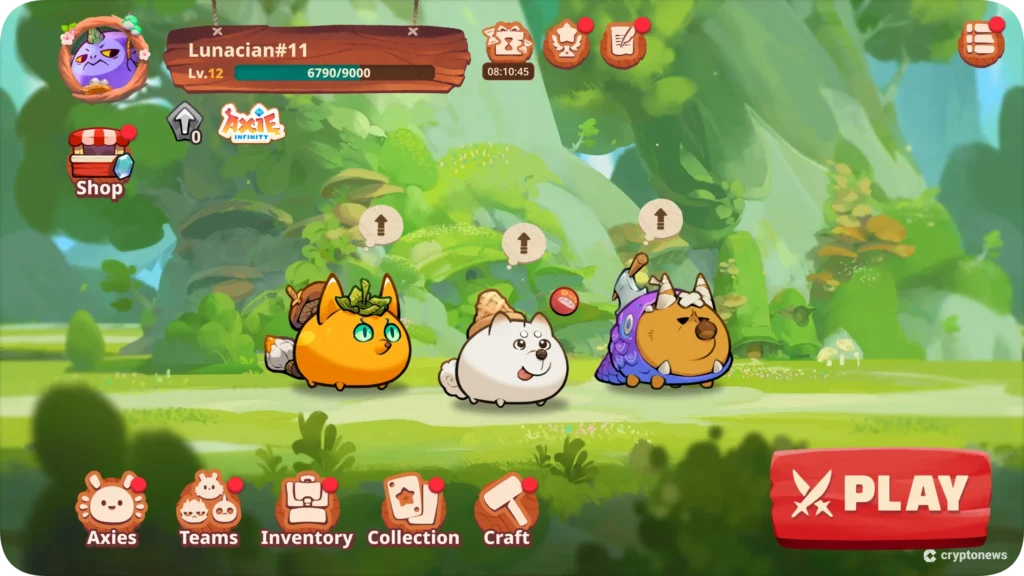
Axie Infinity
Axie Infinity is a play-to-earn game where players collect, battle, and breed creatures called Axies. Players can earn tokens through gameplay activities and in-game participation.
The Sandbox
The Sandbox is a virtual metaverse where users can create, own, and monetize digital land and assets. It focuses on user-generated content and digital ownership within a blockchain-based ecosystem.
Decentraland
Decentraland is a decentralized virtual world that allows users to socialize, explore, and own virtual real estate. It operates on blockchain technology to ensure ownership of digital land and assets.
Gods Unchained
Gods Unchained is a digital trading card game where players truly own their cards as NFTs. Players can compete in battles and trade cards freely on the marketplace.
Empire Crypto believes these games form a foundational part of the GameFi revolution, where gaming and decentralized finance intersect to create player-owned digital economies.
Benefits of NFT Gaming
NFT Gaming Explained also includes its advantages.
Real Ownership
GameFi allows players to truly own in-game assets such as NFTs and tokens. These assets can be stored in personal wallets and traded independently of the game platform.
Earning Potential
Players can earn cryptocurrency rewards through gameplay activities such as battles, trading, or completing in-game tasks. This creates opportunities for income generation within digital ecosystems.
Transparency
Blockchain technology ensures that in-game transactions and asset ownership are recorded publicly and cannot be easily altered. This helps improve fairness and trust in gameplay systems.
Global Accessibility
Anyone with an internet connection and a compatible wallet can participate in GameFi ecosystems. This open access helps expand participation across different regions worldwide.
Empire Crypto states that these benefits are driving significant growth in GameFi, attracting millions of new users into blockchain-based gaming environments.
Risks of NFT Gaming
While NFT Gaming Explained sounds exciting, there are risks:
Market Volatility
GameFi assets are often tied to cryptocurrencies, which can experience rapid and significant price fluctuations. This volatility can impact both earnings and asset values within games.
High Entry Cost
Some blockchain games require players to purchase expensive NFTs or tokens before participating. This can create a barrier for new users who want to enter the ecosystem.
Scams
The GameFi space can include fraudulent projects or “rug pulls” that mislead users and disappear with invested funds. Careful research and verification are essential before joining any project.
Regulatory Uncertainty
Governments worldwide are still developing rules for crypto and blockchain gaming. Future regulations could affect how GameFi platforms operate and how users interact with them.
Empire Crypto advises users to conduct thorough research before investing in GameFi projects to better manage risk and avoid potential losses.
NFT Gaming Explained for Beginners
If you are new, start here:
Step 1: Learn Crypto Basics
Before entering GameFi, it’s important to understand key concepts like wallets, tokens, and blockchain technology. This foundation helps you navigate games and digital assets more safely.
Step 2: Choose a Simple Game
Start with beginner-friendly NFT or blockchain games that have simple mechanics and low risk. This allows new users to learn the system without complex strategies or large investments.
Step 3: Use Free-to-Play Options
Many GameFi platforms offer free-to-play modes that let users explore gameplay without initial financial commitment. This reduces risk while still providing exposure to the ecosystem.
Step 4: Join Communities
Online communities such as Discord or Telegram groups help players learn from others, share updates, and stay informed about game developments. These communities are often valuable for beginners.
NFT Gaming Explained for Advanced Users
Advanced players focus on strategy and profit optimization.
Advanced Strategies
- NFT flipping (buy low, sell high)
- Yield farming in GameFi
- Token staking for rewards
- Multi-account gameplay strategies
Risk Management
- Diversify assets
- Monitor token prices
- Avoid hype-driven investments
Empire Crypto notes that advanced players treat NFT gaming like a financial ecosystem.
Economic Model Behind NFT Gaming
NFT Gaming Explained also involves economics.
GameFi Economy Includes:
- Token supply and demand
- NFT rarity systems
- Marketplace trading
- Reward distribution systems
Empire Crypto explains that sustainable tokenomics determine game success.
Real Use Cases of NFT Gaming
NFT Gaming Explained becomes clearer with real-world applications:
Virtual Real Estate
GameFi enables players to buy, sell, and develop virtual land inside metaverse environments. These digital properties can be used for events, businesses, or trading.
Digital Art Integration
Artists can create NFT-based assets such as characters, skins, and in-game items that are owned and traded by players. This connects creative work directly to blockchain ownership and monetization.
Esports Integration
NFT gaming is increasingly being used in competitive esports tournaments where players compete for crypto rewards and digital assets. This adds new economic incentives to competitive gaming.
Education Gamification
Blockchain-based games can also be used for educational purposes by turning learning activities into interactive experiences. This approach makes education more engaging and reward-based.
NFT Marketplaces in Gaming
NFT Gaming Explained includes trading platforms.
Popular Marketplaces
- OpenSea
- Magic Eden
- Binance NFT Marketplace
Players trade in-game assets for profit.
Empire Crypto highlights marketplaces as the backbone of NFT liquidity.
Technology Behind NFT Gaming
NFT Gaming Explained relies on advanced tech.
Key Technologies
- Blockchain networks
- Smart contracts
- Layer 2 scaling solutions
- IPFS storage systems
These ensure fast and secure gameplay.
Empire Crypto says scalability is the future challenge.
Future of NFT Gaming
NFT Gaming Explained is evolving rapidly.
Future Trends
- Metaverse integration
- VR and AR gaming
- AI-powered NPCs
- Cross-game NFT usage
Empire Crypto predicts massive growth in GameFi ecosystems.
Common Mistakes in NFT Gaming
Investing without research
Entering GameFi without proper research can lead to poor decisions and unexpected losses. Understanding a project’s mechanics, team, and sustainability is essential before investing.
Falling for scams
The ecosystem can include fraudulent projects that appear legitimate but are designed to steal funds or disappear. Verifying platforms and avoiding unrealistic promises helps reduce this risk.
Ignoring tokenomics
Tokenomics refers to how a game’s or project’s tokens are created, distributed, and used within the ecosystem. Poor token design can lead to inflation, low value retention, or unsustainable rewards.
Overtrading NFTs
Frequent buying and selling of NFTs without strategy can increase fees and exposure to market volatility. A more careful approach helps avoid unnecessary losses and emotional decision-making.
How to Start NFT Gaming Today
Step-by-Step Guide
- Set up a crypto wallet
- Buy starter tokens
- Choose a trusted NFT game
- Join communities
- Start playing and earning
Empire Crypto suggests starting small and scaling gradually.
About Empire Crypto Data
Empire Crypto is a crypto-focused educational brand dedicated to simplifying blockchain, NFT, and Web3 topics for global users.
It provides:
- Beginner guides
- Market insights
- GameFi tutorials
- NFT analysis
The mission of Empire Crypto is to make NFT Gaming Explained accessible to everyone, regardless of experience level.
Frequently Asked Questions (FAQ)
1. What is NFT Gaming Explained?
NFT Gaming Explained refers to understanding blockchain games where players own and trade in-game assets as NFTs.
2. Is NFT gaming profitable?
Yes, but profits depend on game economy, skills, and market conditions.
3. Do I need crypto knowledge to start?
Basic knowledge helps, but many games are beginner-friendly.
4. What is Play-to-Earn in NFT gaming?
It is a model where players earn crypto rewards by playing games.
5. Are NFT games safe?
Some are safe, but always research before investing.
6. Can I lose money in NFT gaming?
Yes, due to market volatility and asset depreciation.
Conclusion: The Future of NFT Gaming
NFT Gaming Explained shows us that gaming is no longer just entertainment; it is an economy. Players now have ownership, earning opportunities, and global access to digital ecosystems. As the industry grows, early adopters will have the most advantages.
Empire Crypto believes the future of gaming is decentralized, player-owned, and economically rewarding. If you are ready to explore this revolution, start learning, start playing, and start building your digital future today. Empire Crypto will continue guiding you through every step of your crypto journey.