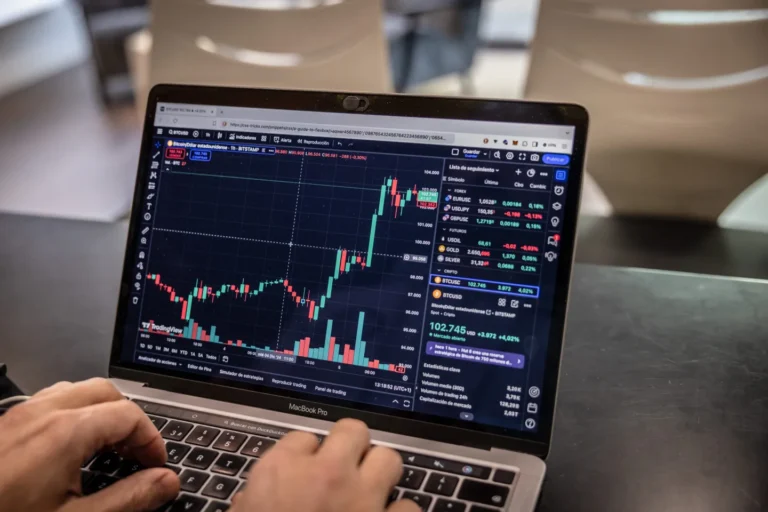
The cryptocurrency market has grown rapidly over the past decade. Millions of investors now trade digital assets every day. However, understanding how the crypto market works can be confusing for beginners. One of the most important concepts to learn is crypto market data.

Crypto market data helps investors understand price movements, market trends, and trading activity. By analyzing this information, traders can make smarter decisions and reduce risk.
In this beginner-friendly guide, you will learn what cry pto market data is, why it matters, the different types of market data, and how beginners can use it to understand the cry ptocurrency market.
What Is Cry pto Market Data?
Crypto market data refers to information that shows how cryptocurrencies are performing in the market. This data includes price movements, trading activity, supply levels, and other important metrics.
Market data is collected from cry ptocurrency exchanges where digital assets are bought and sold.
Typical cry pto market data includes:
- Cry ptocurrency prices
- Trading volume
- Market capitalization
- Circulating supply
- Price charts
- Market trends
By analyzing this data, traders and investors can better understand how the market behaves.
For example, if the price of Bitcoin suddenly rises while trading volume increases, it may indicate strong buying interest.
Why Cry pto Market Data Is Important
The cry ptocurrency market is highly volatile. Prices can change quickly due to demand, news, regulations, or investor sentiment.
Cry pto market data helps traders:
- Understand price movements
- Identify trends
- Make informed investment decisions
- Manage trading risks
- Track market performance
Without market data, investing in cry ptocurrencies would be based purely on guesswork.
Data-driven trading allows investors to analyze the market logically rather than emotionally.
Key Types of Cry pto Market Data
There are several important types of cry pto market data that every beginner should understand.
1. Cry ptocurrency Price
The price of a cryptocurrency is the amount someone is willing to pay for it at a specific moment.
Prices change constantly based on supply and demand.
For example, if more people want to buy Bitcoin than sell it, the price increases.
Cry pto price data usually includes:
- Current price
- Price change (24 hours)
- Historical prices
Tracking price movements helps traders decide when to buy or sell.
2. Market Capitalization
Market capitalization (market cap) measures the total value of a cry ptocurrency.
It is calculated using this formula:
Market Cap = Price × Circulating Supply
Market cap helps investors understand the relative size of a cry ptocurrency.
Cry ptocurrencies are often categorized into:
Large-cap coins
These include established cry ptocurrencies with high market value. They are generally more stable.
Mid-cap coins
These have moderate market value and may offer growth potential.
Small-cap coins
These are newer or smaller projects that can experience higher volatility.
Market cap is often used to compare different cry ptocurrencies.
3. Trading Volume
Trading volume refers to the total amount of a cryptocurrency traded within a certain time period, usually 24 hours.
Volume shows how active a cryptocurrency market is.
High trading volume usually indicates:
- Strong investor interest
- High liquidity
- Active trading
Low trading volume may signal limited interest or market uncertainty.
Volume data also helps confirm price trends.
For example, if a price increase occurs with high volume, it may indicate a strong trend.
4. Circulating Supply
Circulating supply refers to the number of coins currently available in the market.
Some cry ptocurrencies have a fixed supply, while others continuously release new coins.
For example:
- Bitcoin has a maximum supply of 21 million coins.
- Other cry ptocurrencies may have unlimited supply.
Supply levels influence price. If demand increases while supply remains limited, prices often rise.
5. Price Charts
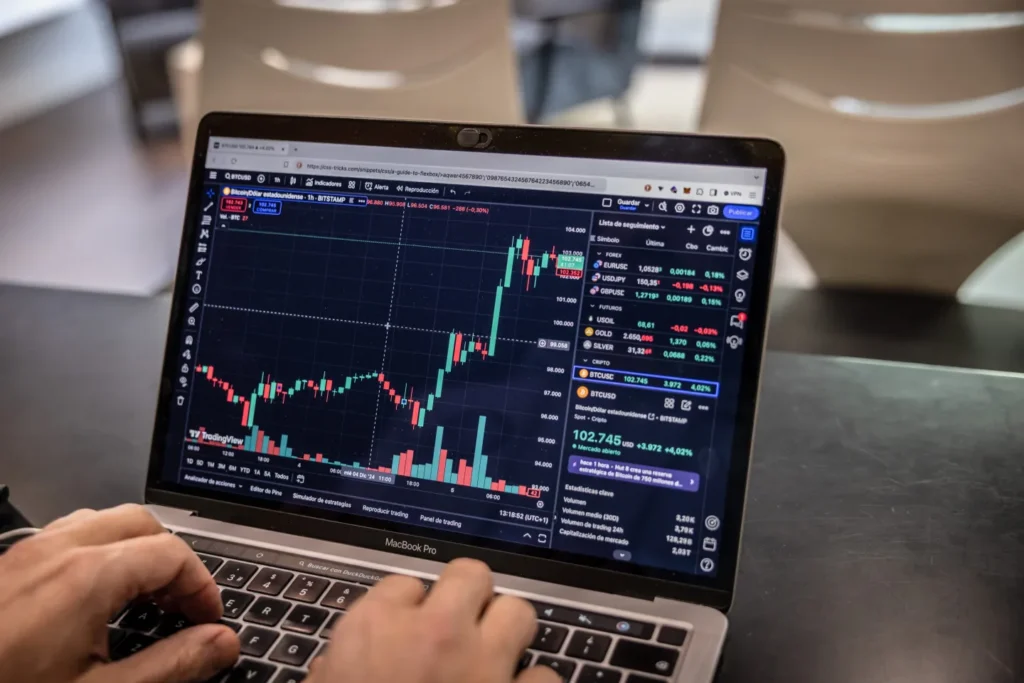
Price charts visually represent the movement of cry ptocurrency prices over time.
Charts help traders identify patterns and trends.
Common chart types include:
- Line charts
- Candlestick charts
- Bar charts
Among these, candlestick charts are the most popular in cry pto trading.
They show:
- Opening price
- Closing price
- Highest price
- Lowest price
By analyzing chart patterns, traders can predict possible future price movements.
Important Cry pto Market Indicators
In addition to basic data, traders use several indicators to analyze market behavior.
Moving Averages
Moving averages help smooth out price data and show overall trends.
Two common types include:
- Simple Moving Average (SMA)
- Exponential Moving Average (EMA)
These indicators help traders identify whether the market is trending upward or downward.
Relative Strength Index (RSI)
The Relative Strength Index measures whether a cry ptocurrency is overbought or oversold.
The RSI scale ranges from 0 to 100.
- Above 70 = Overbought
- Below 30 = Oversold
Traders use RSI to determine potential buying or selling opportunities.
Support and Resistance Levels
Support and resistance are key price levels in the market.
Support is the price level where demand is strong enough to prevent further decline.
Resistance is the level where selling pressure prevents further price increases.
Understanding these levels helps traders plan entry and exit points.
Where Crypto Market Data Comes From
Crypto market data is gathered from cryptocurrency exchanges.
These exchanges process millions of transactions every day.
Data sources include:
- Trading platforms
- Blockchain networks
- Market analysis platforms
These platforms collect and display market data in real time.
Most crypto analytics websites combine data from multiple exchanges to provide a broader market view.
How Beginners Can Use Crypto Market, Data
Beginners often feel overwhelmed by the amount of information in crypto data markets. However, focusing on a few key metrics can make analysis easier.
Track Price Trends
Start by observing how prices change over time.
Look for patterns such as:
- Upward trends
- Downward trends
- Sideways movements
Understanding trends helps investors decide when to enter or exit the market.
Monitor Trading Volume
Volume confirms the strength of price movements.
If prices rise but volume remains low, the trend may not last.
High volume usually indicates stronger market activity.
Compare Market Caps
Market capitalization helps beginners evaluate the risk level of different cryptocurrencies.
Large-cap cryptocurrencies are generally less volatile than smaller ones.
Beginners often prefer starting with larger, more established projects.
Study Basic Technical Indicators
Learning simple indicators like moving averages or RSI can help beginners understand market momentum.
However, it is best to avoid using too many indicators at once.
Start simple and gradually build analytical skills.
Common Mistakes Beginners Make
Many new investors make mistakes when analyzing crypto market data.
Ignoring Market Trends
Some traders focus only on short-term price changes.
However, long-term trends provide important context for market behavior.
Overreacting to Price Changes
Crypto prices can move quickly. Beginners sometimes panic during sudden drops or buy impulsively during price spikes.
Successful traders remain calm and analyze data before making decisions.
Using Too Many Indicators
Using multiple indicators can create confusion.
Instead, beginners should focus on a few reliable metrics.
Benefits of Understanding Crypto Market Data
Learning how to read crypto market data offers several advantages.
Better Investment Decisions
Data-driven decisions reduce emotional trading.
Investors can evaluate opportunities based on evidence rather than speculation.
Improved Risk Management
Understanding market behavior helps traders avoid unnecessary risks.
They can identify warning signs before major price movements.
Greater Market Awareness
Crypto market data helps investors stay informed about industry trends and investor sentiment.
This awareness is essential for navigating volatile markets.
The Future of Crypto Market Data
As the cryptocurrency industry evolves, market analytics tools are becoming more advanced.
New technologies are improving the way traders analyze data.
Future innovations may include:
- Artificial intelligence market predictions
- Advanced blockchain analytics
- Automated trading systems
- Improved data visualization tools
These developments will make crypto market data even more valuable for investors.
Final Thoughts
Crypto market data is the foundation of cryptocurrency trading and investing. It provides valuable insights into price movements, market trends, and trading activity.
For beginners, understanding basic metrics such as price, market capitalization, trading volume, and supply is an important first step.
Although the crypto market can be complex, learning how to analyze data helps investors make smarter decisions and reduce risk.
By combining market data with patience and proper strategy, beginners can gradually build confidence and navigate the exciting world of cryptocurrency investing.