The Middle East is facing a period of extreme uncertainty as war threats continue to rise. Therefore, following Iran News is essential to understanding the fast-changing events that affect global security. The region is witnessing military movements, political tension, and economic disruption, all of which contribute to the perception that conflict could escalate at any moment.
Moreover, these developments are not isolated; they involve multiple countries and complex alliances. Because of this, a clear and detailed explanation is necessary to fully grasp the situation. This article explores the recent war threats in the Middle East, Iran’s role, and their implications step by step in a simple, reader-friendly way.
The Middle East in Crisis: Current Situation
Rising Regional Tensions
Recently, tensions have intensified in several key countries. Therefore, minor incidents now carry a greater risk of escalating into larger confrontations. Iran News highlights that political statements, military exercises, and cross-border conflicts have all contributed to the heightened alert.
Military Movements and Alerts
Countries across the region have increased troop deployment and surveillance operations. Consequently, both defensive and offensive strategies are being implemented. Because of this, analysts warn that miscalculations could trigger serious consequences.
Economic and Social Impacts
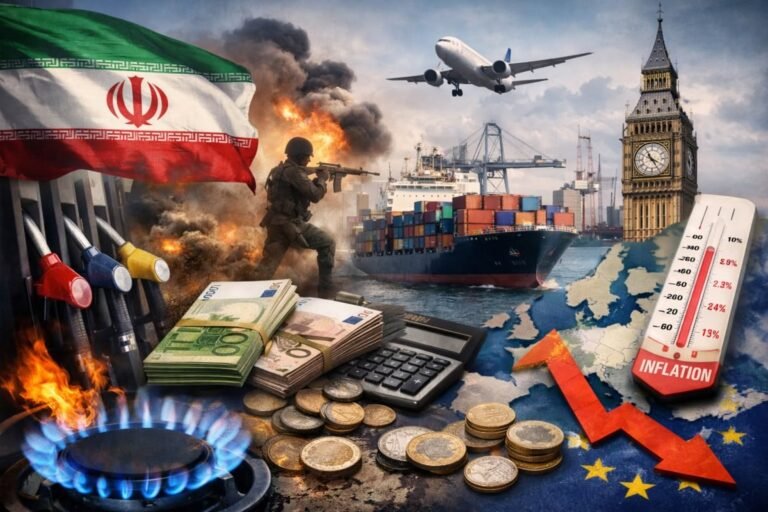
The threat of war affects not only military planning but also civilian life. Therefore, economic pressures, rising fuel prices, and disruption of trade routes are becoming pressing concerns. Iran News emphasizes that these effects extend far beyond the region.
Iran’s Strategic Position in the Middle East
Political Influence and Alliances
Iran holds significant political sway across Iraq, Syria, Lebanon, and Yemen. Therefore, its decisions impact both regional stability and global diplomacy. Iran News reports that Iran uses its alliances to maintain influence and deter potential attacks.
Military Strength and Preparedness
Iran’s military includes missiles, drones, and modern defense systems. Consequently, it is prepared to respond to threats swiftly. At the same time, Iran claims its military posture is defensive, but neighboring countries often perceive it as aggressive.
Nuclear Program and International Concerns
Iran’s nuclear ambitions remain a central source of tension. Therefore, global powers continue to monitor developments closely. Because of this, Iran News highlights the ongoing negotiations, inspections, and sanctions surrounding Iran’s nuclear activities.
War Threats: Factors Driving Escalation
Regional Rivalries
Middle Eastern countries have long-standing rivalries over influence and resources. Therefore, competition between states can quickly turn political disagreements into military confrontations.
Proxy Conflicts
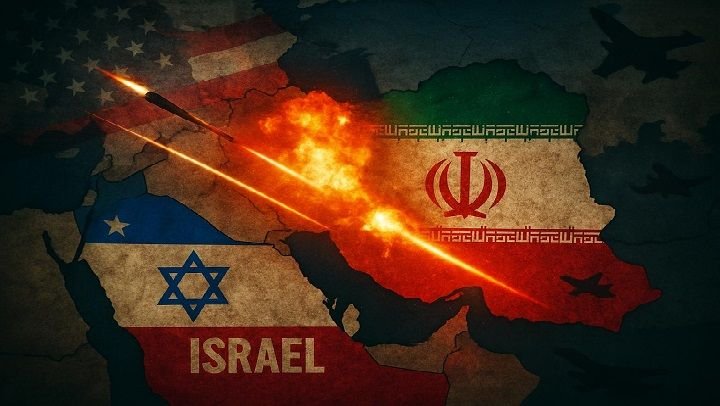
Iran and other powers often engage in conflicts indirectly through proxy groups. Consequently, skirmishes in Syria, Iraq, and Yemen may escalate tensions further. Iran News reports that these proxy battles can trigger direct confrontations between major powers.
Global Power Involvement
The United States, Russia, and European nations closely monitor the region. Therefore, foreign military presence, strategic support, and sanctions intensify the risk of escalation.
Military Developments Increasing Concern
Troop Deployments and Exercises
Recent weeks have seen increased troop movements and military exercises in sensitive regions. Therefore, the chance of accidental clashes or misjudged responses is higher. Iran News emphasizes that both Iran and its adversaries are preparing for potential escalation.
Advanced Weaponry
Modern technology, including drones, precision missiles, and cyber operations, is increasingly integrated into conflicts. Consequently, the speed and impact of military actions have grown, raising the stakes for all parties involved.
Naval and Air Activity
The Persian Gulf and surrounding waters have become zones of heightened naval presence. Therefore, monitoring and controlling airspace and maritime routes has become essential to prevent misunderstandings.
Impact on Civilians and Society
Fear and Displacement
Civilians in affected areas experience heightened stress, anxiety, and fear. Therefore, many families consider relocation or evacuation due to the potential for conflict.
Access to Resources
War threats disrupt supply chains for food, medicine, and essential goods. Consequently, humanitarian aid may be delayed, leaving local populations vulnerable. Iran News highlights that these social impacts are often underreported but critical.
Economic Challenges
Rising uncertainty negatively affects businesses, trade, and regional investment. Therefore, economic instability compounds the humanitarian crisis, especially for vulnerable populations.
Global Implications of Rising War Threats
Energy Security
The Middle East is a key supplier of oil and gas. Therefore, any conflict that threatens production or shipping routes directly affects global energy markets. Consequently, prices may rise sharply, impacting economies worldwide.
Trade Disruptions
Shipping lanes in the Persian Gulf and nearby regions are critical for global trade. Therefore, war threats increase the risk of disrupted supply chains, affecting both regional and international commerce.
International Security Concerns
Escalating threats in the Middle East influence global security policies. Therefore, countries outside the region monitor military actions closely and adjust strategies accordingly. Iran News shows how international attention intensifies pressure on the conflicting parties.
Role of Media and Public Awareness
Information Spread
News about the Middle East spreads rapidly through social media, news outlets, and official channels. Therefore, accurate and timely reporting is essential to prevent misinformation.
Influence on Public Opinion
Media coverage shapes perception, affects policymaking, and influences diplomacy. Consequently, governments and analysts carefully manage information flow. Daily Iran News provides reliable updates to ensure clarity for the public.
Potential Future Scenarios
Scenario One: Limited Escalation
Minor clashes or skirmishes may continue without a full-scale war. Therefore, regional actors may test boundaries without triggering widespread conflict.
Scenario Two: Regional Spillover
The conflict could expand to involve neighboring states. Consequently, war threats may affect countries such as Iraq, Syria, and Lebanon, destabilizing the entire region.
Scenario Three: Direct Confrontation
The worst-case scenario is direct military conflict between major powers. Therefore, missile attacks, airstrikes, and cyber operations could result in significant casualties and infrastructure damage. Iran News warns that global powers may intervene, further complicating outcomes.
Diplomatic Efforts and Solutions
Negotiations and Dialogue
Despite rising tensions, diplomatic channels remain open. Therefore, negotiations focused on Iran’s nuclear program, regional influence, and military de-escalation are ongoing.
International Mediation
Organizations such as the United Nations play a vital role in facilitating talks and monitoring compliance. Consequently, diplomatic engagement remains a key tool to prevent full-scale conflict.
Importance of Patience
History shows that measured, strategic responses are critical. Therefore, patience and careful planning reduce the risk of accidental escalation.
Lessons from Past Conflicts
Historical Context
Past Middle East crises demonstrate that rapid escalation often stems from mistrust and miscommunication. Therefore, understanding previous patterns can help predict possible outcomes.
Diplomacy over War
History also shows that diplomacy can prevent large-scale destruction. Consequently, dialogue, negotiation, and international pressure remain essential to maintain stability. Iran News frequently analyzes these lessons to provide context for current developments.
Why Staying Informed Is Critical
Understanding Complex Dynamics
Following Iran News allows readers to see political, economic, and military developments clearly. Therefore, it provides a comprehensive understanding of the conflict’s multiple layers.
Reducing Fear and Misinformation
Accurate reporting prevents panic and misinterpretation. Consequently, citizens and policymakers can make better-informed decisions, maintaining social stability and global awareness.
Conclusion
War threats in the Middle East are intensifying, and Iran’s strategic actions are central to these developments. Therefore, careful attention from governments, media, and the public is crucial. Iran News demonstrates that while escalation is possible, diplomacy and international cooperation can still prevent widespread conflict.
Moreover, civilians, regional actors, and global powers all play a role in shaping outcomes. Consequently, staying informed, supporting dialogue, and understanding the broader context remain critical steps toward peace. In conclusion, the Middle East stands at a pivotal moment, and the coming weeks will determine whether tensions lead to war or stability.