Iran News today is dominated by developments in the ongoing conflict involving Iran, the United States, and Israel. This deep insight aims to explain the latest moves in the war, the key military, political, and diplomatic shifts, and what these mean for the region and the world. Moreover, we will outline how the situation evolved into a larger conflict, while keeping the language clear and easy to follow.
Historical Background of the Conflict
To fully grasp the current Iran News, it is essential to look back at how decades of tension have contributed to today’s war.
Origins of Tension Between Iran and the United States
Since the 1979 Islamic Revolution, Iran and the United States have had a troubled relationship. Iran’s rejection of Western political control and pursuit of an independent Islamic government shifted its foreign policy. Over the years, this tension expanded with conflicts over nuclear enrichment, regional influence, and US military presence near the Persian Gulf. These disputes, marked by sanctions and political isolation, helped create a foundation for prolonged Iran News coverage long before the current war began.
Iran and Israel’s Long‑Term Rivalry
Israel views Iran as a major regional threat due to Iran’s support for militant groups like Hezbollah in Lebanon and other non‑state actors. Conversely, Iran sees Israel as an occupying force in a land sacred to many Muslims and at odds with Iranian political identity. These opposing views have fueled proxy conflicts and contributed to the militarization of regional tensions.
Prior to the current war, Iran and Israel had exchanges through missile strikes and proxy engagements in Syria, Iraq, and Lebanon. These events shaped the regional landscape and helped set the stage for the present escalation.
How the Iran News War Started
The conflict currently making headlines in Iran News began with direct military actions between global powers.
Triggering Events
- On February 28, 2026, the United States and Israel launched a coordinated military offensive against Iran. This began with airstrikes targeting strategic installations and infrastructure deep inside Iranian territory.
- Among the significant early events was the confirmed assassination of Iran’s Supreme Leader, which dramatically escalated the conflict.
- Iran responded immediately, closing the vital Strait of Hormuz and launching missile and drone strikes across the region, including at US and Israeli positions.
These developments marked a shift from indirect tension to direct warfare among the major adversaries. In addition, this escalation was unique due to its intensity and the scale of international involvement.
Recent Developments in the Iran War
Two‑Week Ceasefire Agreement
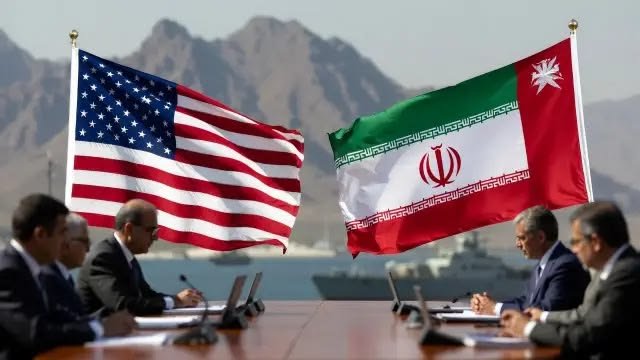
One of the most significant developments in recent Iran News is the announcement of a provisional two‑week ceasefire between the United States and Iran. This truce was agreed just hours before a US deadline threatened large‑scale strikes and was contingent on Iran reopening the Strait of Hormuz for maritime traffic.
However, while the ceasefire temporarily reduces active fighting, both sides publicly state that the wider conflict is not fully over. Iran emphasized that this agreement does not end the war and warned that future retaliation could occur if provoked again.
Impact on Global Energy and Trade
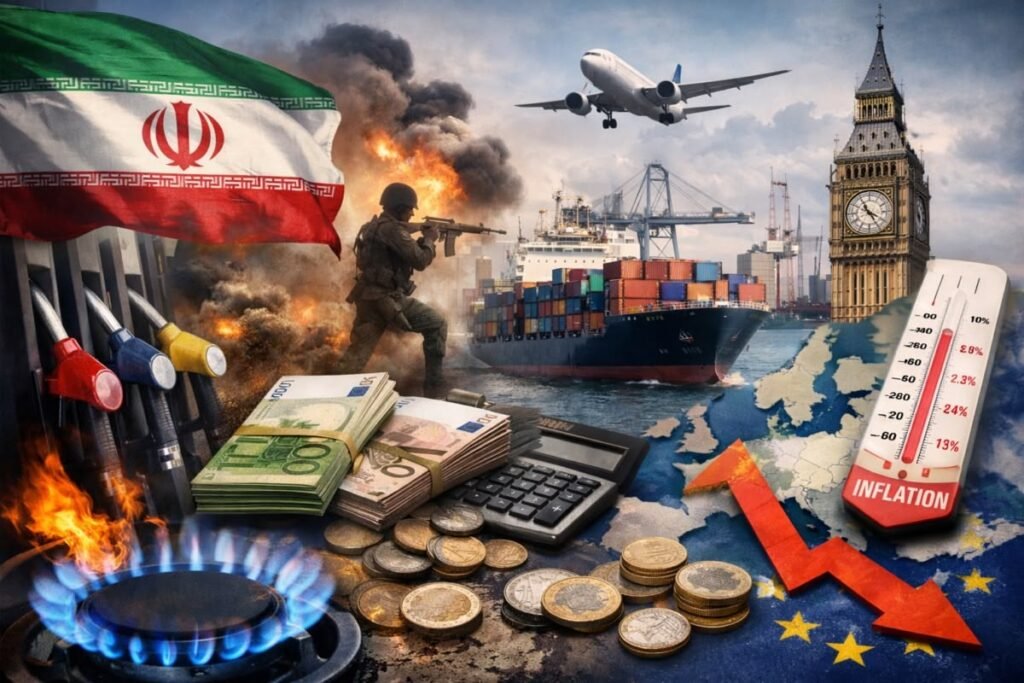
The Strait of Hormuz is one of the world’s most important shipping routes for oil and gas. Its closure during the peak of the conflict caused major disruptions in fuel markets and pushed energy prices sharply upward. The reopening under the recent ceasefire brought some stabilization, but global markets remain sensitive to future developments.
Military Moves and Regional Dynamics
Escalation of Attacks
Before the ceasefire, Iran News reported heavy bombardment of Iranian cities and infrastructure, including oil processing hubs and academic institutions. These attacks were part of a broader campaign by US and Israeli forces aimed at degrading Iran’s military capabilities.
Iranian Retaliation
Iran responded with widespread missile and drone strikes not only against Israeli targets but also against US military bases and allied nations in the Gulf. This reciprocity made the conflict more complex and drew in other regional actors.
Downed Aircraft and Military Tactics
There were reported incidents where Iranian air defenses successfully downed US military jets, including a Strike Eagle and a ground attack aircraft. These events demonstrated that Iran’s defenses still posed significant challenges despite sustained attacks.
Diplomatic Efforts and Mediation
Role of Third‑Party Mediators
Countries like Pakistan, Turkey, and Egypt have stepped forward to help mediate negotiations between Iran and the United States. Pakistan, especially, played a crucial role in facilitating talks that led to the temporary ceasefire.
International Reactions
Global reactions to the war have varied widely. Some nations have condemned the attacks and called for immediate peace. Others have emphasized respect for national sovereignty and urged diplomatic approaches.
Moreover, religious leaders and international organizations have criticized threats to civilian sites and infrastructure, highlighting concerns about humanitarian impacts and international law.
Human Impact and Civilian Concerns
While political and military developments dominate Iran News, it is equally important to understand the human toll of the war.

Civilian Hardships
Civilians across Iran and neighboring regions have faced severe hardships, including loss of life, destruction of homes, and disrupted access to essential services. Reports indicate widespread fear and exhaustion among ordinary people as the conflict drags on.
Many families have lost loved ones, and essential services like electricity, communication, and transportation have been interrupted. These impacts extend far beyond military strategy and are deeply felt by communities throughout the country.
Economic Disruption
Beyond physical damage, the war has strained Iran’s economy. International sanctions, combined with the destruction of infrastructure and trade disruptions, have pushed economic uncertainty. Even with the ceasefire, rebuilding and recovery will likely take years.
Key Political Perspectives in the War
Iran’s Viewpoint
From an Iranian perspective, the war is seen by many as a defense of sovereignty and dignity against what they perceive as aggression by foreign powers. Government officials have repeatedly stated that they will not back down under pressure and that their military will resist attempts to force political change from outside.
US and Israeli Goals
The United States and Israel generally frame their actions as efforts to reduce perceived security threats and prevent Iran from developing capabilities that could destabilize the region further. While strategic objectives differ, both countries insist that Iran must comply with conditions aimed at curbing influence and restoring regional stability.
Regional Reactions
Neighboring countries in the Middle East have been deeply impacted and vary widely in their responses. Some Gulf states have taken defensive measures against missile threats, while others have actively worked toward reducing tensions through diplomacy.
Future Scenarios and What Comes Next
As Iran News continues to evolve, experts identify several possible paths forward:
1. Diplomacy Strengthens
Negotiators may succeed in building on the temporary ceasefire, leading to a longer‑term agreement that prevents further escalation and addresses key political grievances.
2. Conflict Resumes
If negotiations stagnate or one side perceives significant advantage in military action, hostilities could resume in full force.
3. Regional Expansion
Beyond Iran, the war could involve additional states either through direct involvement or through proxy groups, making the conflict broader and more complex.
Each of these outcomes carries serious implications for global politics, energy markets, and security. Continued monitoring of Iran News will be crucial for anyone seeking to understand the changing dynamics.
Conclusion
The latest Iran News reflects a deeply complex conflict that blends military confrontation, diplomatic efforts, and regional politics. The war between Iran, the United States, and Israel represents a turning point in Middle Eastern geopolitics and has wide‑ranging effects that extend beyond the battlefield.
From the provisional two‑week ceasefire to ongoing negotiations and human consequences, readers should recognize that the situation remains fluid. Although tensions have eased temporarily, the underlying causes of the conflict have not fully resolved, meaning future developments are still uncertain.