In the digital asset economy of 2026, information is not just power—it is the only sustainable competitive advantage. As the market transitions from retail-driven hype to institutional-grade precision, the “average” trader is being replaced by the “quantified” investor. To thrive in this environment, you must learn to maximize profits using real-time crypto data online.
This guide is a deep dive into the professional-grade strategies that separate the winners from the losers. We will explore how to read liquidity, track smart money, and use real-time analytics to time your entries and exits with surgical accuracy.

1. The Profit Gap: Data vs. Intuition
Most investors fail because they trade based on how they feel rather than what the data says. In 2026, the “Profit Gap” is the difference between those who react to price changes and those who anticipate them using crypto data online.
Why Real-Time Data is Non-Negotiable
Cryptocurrency markets never sleep. A regulatory announcement in London or a whale movement in New York can shift the global market in seconds. Real-time data allows you to:
- Reduce Slippage: Execute trades at the best possible price before the spread widens.
- Identify Fakeouts: Distinguish between a genuine trend and a “dead cat bounce.”
- Manage Risk: Set dynamic stop-losses based on real-time volatility rather than static percentages.
2. Advanced On-Chain Metrics for Maximum Gain
To maximize profits, you must look at the “Truth Machine”—the blockchain itself. Here are the elite metrics used by professional desks in 2026.
A. Exchange Net Flow (The Supply Shock Indicator)
When you monitor crypto data online, the movement of assets to and from exchanges is your most reliable signal.
- Negative Net Flow: More BTC/ETH is leaving exchanges than entering. This creates a “Supply Shock,” often leading to a massive price rally.
- Positive Net Flow: A surge of assets onto exchanges indicates that whales are preparing to take profits, signaling an imminent correction.
B. Stablecoin Supply Ratio (SSR)
In 2026, stablecoins are the “Dry Powder” of the market. The SSR measures the ratio between Bitcoin’s market cap and the total supply of stablecoins. A low SSR means there is high buying power ready to push the market up. Smart investors buy when the SSR is at historical lows.
3. Tracking “Smart Money” and Institutional Flows
In 2026, the market is moved by “Entities,” not just individuals. To maximize profits, you must follow the trail of the giants.
Entity-Adjusted Data
Basic crypto data online can be misleading because it counts internal exchange transfers. Professional tools now use “Entity-Adjusted” models to filter out the noise. You should be looking for:
- Institutional Accumulation: Tracking the wallets of major ETFs and corporate treasuries.
- The “Smart Money” Index: Identifying wallets with a high historical ROI and mirroring their movements in real-time.
4. Sentiment Analysis: Profit from Human Emotion
The crypto market is 90% psychology. AI-driven sentiment analysis allows you to quantify human greed and fear.
The “Contrarian” Profit Strategy
Smart investors use crypto data online to trade against extreme emotions.
- Extreme Fear: When social sentiment hits rock bottom but on-chain accumulation is rising, this is the ultimate “Buy” signal.
- Extreme Greed: When every influencer is bullish but exchange inflows are spiking, it’s time to exit and secure your profits.
5. Technical Mastery: Real-Time Charting in 2026
While on-chain data shows the “Why,” technical analysis shows the “When.” In 2026, static indicators like the 200-day MA are supplemented by:
- Volume Profile (VPVR): Identifying the exact price levels where the most trading occurred. These act as “Magnets” for the price.
- Liquidation Heatmaps: Visualizing where other traders’ stop-losses are. Prices often “hunt” these zones before reversing.
6. Case Study: The “April 2026” Profit Wave
Let’s look at a real-time example. In early April 2026, the market appeared stagnant. However, crypto data online showed:
- Dormant Supply Moving: Bitcoins that hadn’t moved in 5 years were suddenly active.
- Open Interest Spike: A massive increase in futures contracts.
- UK Regulatory Clarity: Positive whispers from the London Finance Summit.
Investors who saw these data points maximized their profits by entering before the 12% breakout occurred 24 hours later.
7. Top Tools to Maximize Your Gains
To implement these strategies, your “Crypto Data Online” dashboard should include:
- Glassnode/CryptoQuant: For on-chain supply and demand.
- Arkham Intelligence: For tracking specific whale entities.
- LunarCrush: For real-time social sentiment.
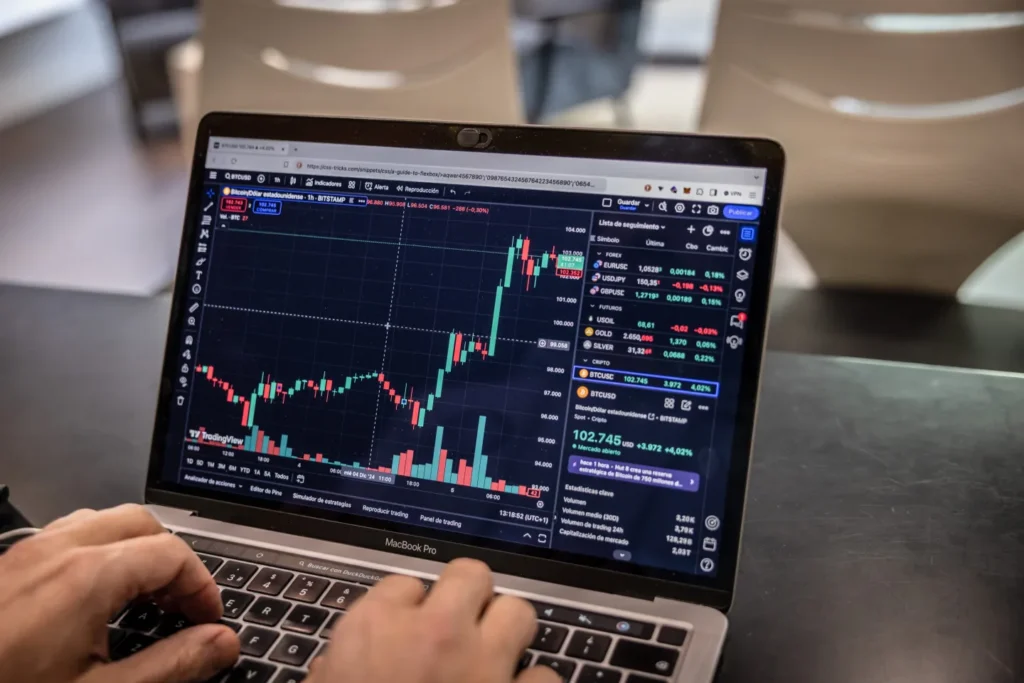
- TradingView: For high-speed execution and technical heatmaps.
8. Building a Sustainable Data-Driven Routine
Profitability is about consistency. A smart investor’s daily routine includes:
- 08:00 AM: Check Global Exchange Flows.
- 12:00 PM: Review USA/UK Regulatory News Updates.
- 04:00 PM: Analyze Liquidation Heatmaps for potential “Squeezes.”
- Weekly: Re-balance based on long-term On-Chain Health metrics.
9. Conclusion: The Data-First Mindset
Maximizing profits in 2026 is no longer about finding the “next 100x coin” through luck. It is about using crypto data online to build a statistical edge. By combining on-chain supply metrics, smart money tracking, and AI-driven sentiment analysis, you move from being a gambler to being a house.
The market rewards the informed. Start using real-time data today to secure your financial future in the digital age.
Frequently Asked Questions (FAQ)
Q1: Can I maximize profits with only free crypto data online?
Yes. Platforms like DeFiLlama and the basic tiers of Glassnode provide enough information for a disciplined investor to outperform the market. However, “Pro” tools offer lower latency for day trading.
Q2: What is the single most important metric for profit?
While no single metric is perfect, Exchange Net Flow is widely considered the most reliable indicator for predicting short-to-medium-term price movements.
Q3: How does real-time data help with “Altcoins”?
For altcoins, focus on TVL (Total Value Locked) and Developer Activity. If a coin’s price is rising but its TVL is falling, the move is likely a “bull trap.”