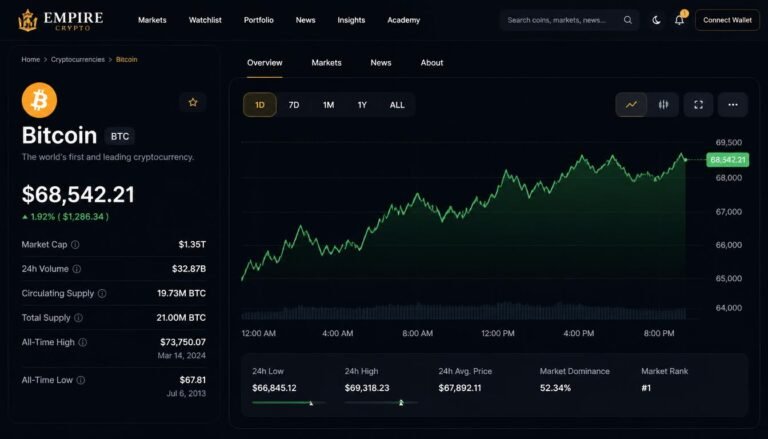
The cryptocurrency market is one of the most dynamic and fast-paced financial environments in the world. Prices move rapidly, trends shift unexpectedly, and new opportunities appear almost every minute. For traders, this creates both exciting possibilities and serious risks. To navigate this complex landscape successfully, relying on guesswork or emotions is not enough. Instead, traders must use crypto data online to guide their decisions.
Crypto data online provides real-time insights into price movements, trading activity, and market trends. By analyzing this data effectively, traders can build stronger strategies, reduce risks, and improve their overall performance. Whether you are a beginner or an experienced trader, understanding how to use crypto data can make a significant difference in your success.
This comprehensive guide explores practical tips for improving your trading strategy using online crypto data.

Understanding Crypto Data Online
Crypto data online refers to continuously updated information collected from cryptocurrency exchanges and blockchain networks. This data reflects how digital assets perform in real time.
Key types of crypto data include:
- Live cryptocurrency prices
- Trading volume statistics
- Market capitalization
- Circulating supply
- Price charts and historical data
- Technical indicators
- Order book information
- On-chain metrics
Because crypto markets operate twenty-four hours a day, this data is constantly refreshed. Access to real-time information allows traders to stay updated and react quickly to market changes.
Why Data-Driven Trading Is Important for Crypto Data Online
Successful trading depends on making informed decisions. Without reliable data, traders may rely on emotions or speculation, which often leads to losses.
Data-driven trading provides several advantages:
- Better understanding of market trends
- Improved timing for buying and selling
- Reduced emotional decision-making
- Enhanced risk management
- Increased consistency in trading results
By using crypto data online, traders can build strategies based on facts rather than assumptions.
Tip 1: Monitor Real-Time Prices Continuously
Tracking live cryptocurrency prices is the foundation of any trading strategy. Prices reflect the balance between supply and demand in the market.
When demand increases, prices rise. When selling pressure increases, prices fall.
Monitoring real-time prices helps traders:
- Identify sudden market movements
- Detect breakout opportunities
- Respond quickly to volatility
However, focusing only on price is not enough. Traders must combine price analysis with other indicators for better accuracy.
Tip 2: Use Trading Volume to Confirm Trends. Why Data-Driven Trading Is Important. Crypto data online
Trading volume shows how much of a cryptocurrency is being bought and sold within a specific time period.
Volume is a powerful indicator of trend strength.
If prices rise with high trading volume, it usually indicates strong buying interest and a sustainable trend. If prices rise with low volume, the trend may not last.
Similarly, high volume during price declines signals strong selling pressure.
Using volume alongside price data helps traders confirm whether a trend is reliable.
Tip 3: Analyze Market Capitalization
Market capitalization measures the total value of a cryptocurrency.
It is calculated by multiplying the current price by the circulating supply.
Market cap helps traders assess the stability and potential of different assets.
Large-cap cryptocurrencies are generally more stable and less volatile. Mid-cap assets offer growth potential with moderate risk. Small-cap cryptocurrencies can experience large price swings and higher risk.
Understanding market cap distribution allows traders to balance risk and reward in their portfolios.
Tip 4: Study Price Charts Regularly
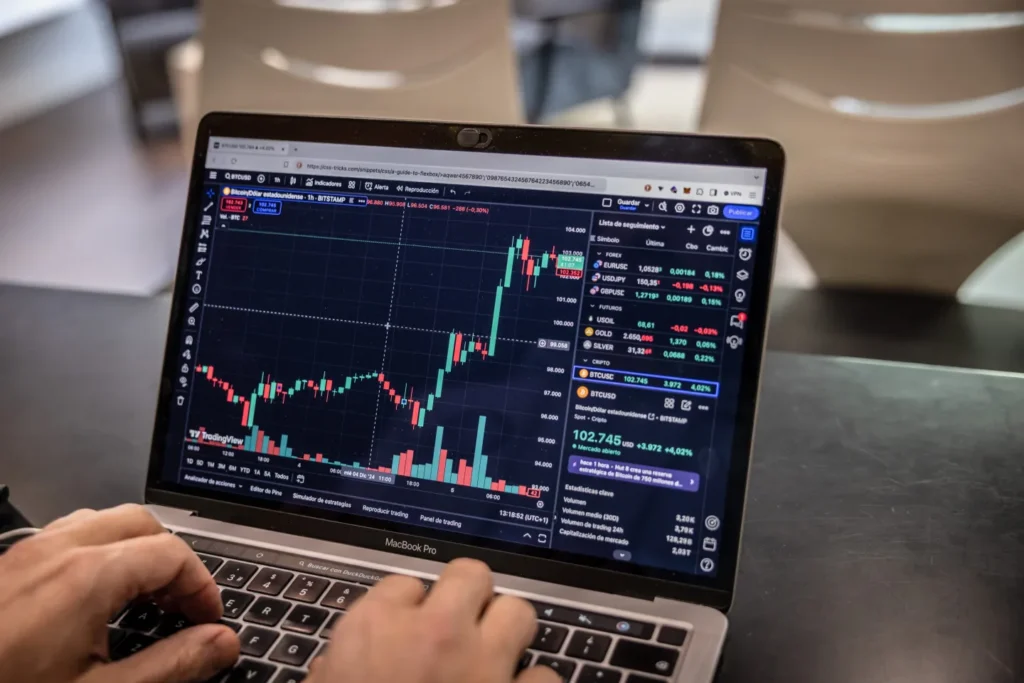
Price charts are essential tools for analyzing cryptocurrency markets. They visually represent how prices change over time.
Common chart types include:
- Line charts for basic trend analysis
- Bar charts for detailed price information
- Candlestick charts for market sentiment
Candlestick charts are particularly useful because they show opening, closing, high, and low prices within a specific timeframe.
Studying charts helps traders recognize patterns and predict possible future movements.
Tip 5: Identify Market Trends Early
A strong trading strategy always aligns with the current market trend.
There are three main types of trends:
Uptrend occurs when prices move higher over time, indicating strong demand.
Downtrend occurs when prices decline steadily, showing strong selling pressure.
Sideways trend occurs when prices move within a narrow range without a clear direction.
Identifying trends early allows traders to position themselves correctly and maximize potential profits.
Tip 6: Use Moving Averages
Moving averages are widely used tools for analyzing market trends. They smooth price data and help identify the market’s overall direction. crypto data online
Short-term moving averages react quickly to price changes, while long-term averages show broader trends.
When a short-term average crosses above a long-term average, it may signal a buying opportunity. When it crosses below, it may indicate a selling opportunity.
Combining moving averages with other indicators improves accuracy.
Tip 7: Apply Momentum Indicators
Momentum indicators measure the strength of price movements.
The Relative Strength Index helps determine whether a cryptocurrency is overbought or oversold.
The MACD indicator helps identify changes in trend momentum and potential reversals.
Using these tools helps traders decide the best time to enter or exit trades.
Tip 8: Watch Support and Resistance Levels
Support and resistance levels are key price points in the market.
Support is where buying pressure prevents prices from falling further.
Resistance is where selling pressure stops prices from rising higher.
These levels act as psychological barriers.
When prices break through resistance, it may signal a strong upward trend. When prices fall below support, it may indicate further decline.
Using these levels helps traders plan trades more effectively.
Tip 9: Monitor Market Sentiment
Market sentiment reflects how investors feel about a cryptocurrency.
Positive sentiment often leads to increased buying and rising prices. Negative sentiment can lead to selling and price declines.
Factors influencing sentiment include:
- News and media coverage
- Government regulations
- Technological developments
- Social media discussions
Combining sentiment analysis with crypto data online provides a more complete market view.
Tip 10: Use Reliable Crypto Data Platforms
Choosing the right platform is crucial for accurate analysis.
Reliable crypto data platforms provide:
- Real-time price updates
- Advanced charting tools
- Technical indicators
- Market rankings
- Portfolio tracking
Using trustworthy platforms ensures that traders receive accurate and up-to-date information.
Tip 11: Combine Multiple Data Points
No single indicator can provide complete market insight. Successful traders combine multiple data points for better analysis.
For example, a trader may analyze price trends, confirm them with volume, and use technical indicators to refine entry points.
This approach reduces the risk of false signals and improves decision-making.
Tip 12: Practice Risk Management
Risk management is a critical part of any trading strategy.
Traders should set stop-loss orders to limit potential losses and avoid risking more money than they can afford to lose.
Diversifying investments across different cryptocurrencies can also reduce risk.
Using crypto data online helps traders evaluate volatility and adjust their strategies accordingly.
Common Mistakes to Avoid
Many traders make mistakes that can be avoided with proper data analysis.
Common mistakes include:
- Relying only on price movements
- Ignoring trading volume
- Overtrading during market volatility
- Following hype without data analysis
- Making emotional decisions
Avoiding these mistakes requires discipline and consistent use of data-driven strategies.
Building a Strong Trading Strategy
A successful trading strategy combines knowledge, discipline, and data analysis.
Traders should:
- Define clear entry and exit points
- Use multiple indicators for confirmation
- Follow market trends
- Manage risk effectively
- Continuously review and improve strategies
Using crypto data online ensures that strategies are based on real market conditions rather than assumptions.
The Future of Crypto Data in Trading
The role of data in cryptocurrency trading continues to grow.
Artificial intelligence and machine learning are being integrated into crypto analytics platforms, enabling more advanced trend prediction.
On-chain analytics is also becoming more important, providing deeper insights into blockchain activity and investor behavior.
As technology evolves, traders who understand and use data effectively will have a significant advantage.
Final Thoughts
Improving your trading strategy with crypto data online is essential for success in the cryptocurrency market. Real-time data provides insights into price movements, trading volume, market trends, and investor sentiment.
By combining multiple data points and following disciplined strategies, traders can make smarter decisions and reduce risks.
While the crypto market remains highly volatile, data-driven trading offers a powerful advantage. With continuous learning and practice, anyone can develop the skills needed to navigate the market confidently and achieve long-term success