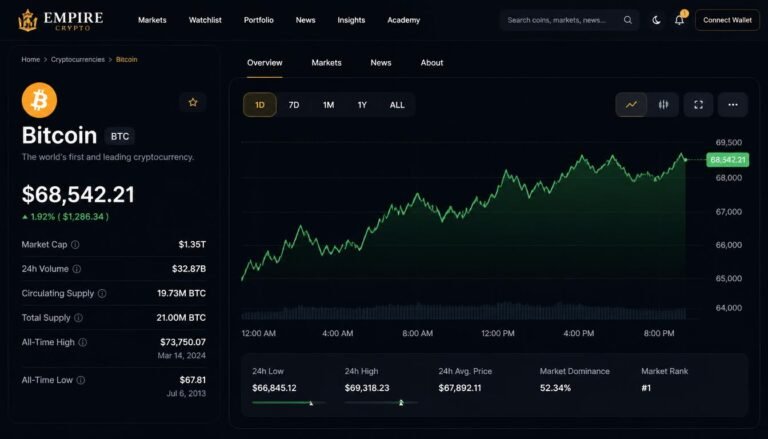
The cryptocurrency market is one of the most volatile and dynamic financial arenas today. Prices can skyrocket or plummet within hours, leaving investors exhilarated or anxious. Predicting these price movements is the ultimate goal for traders, yet it is no simple task. Enter crypto data online—a powerful tool that provides the insights needed to make smarter investment decisions in 2026.
This guide explores how to leverage crypto data online to predict prices effectively, including key metrics, tools, techniques, and strategies suitable for beginners and seasoned investors alike.
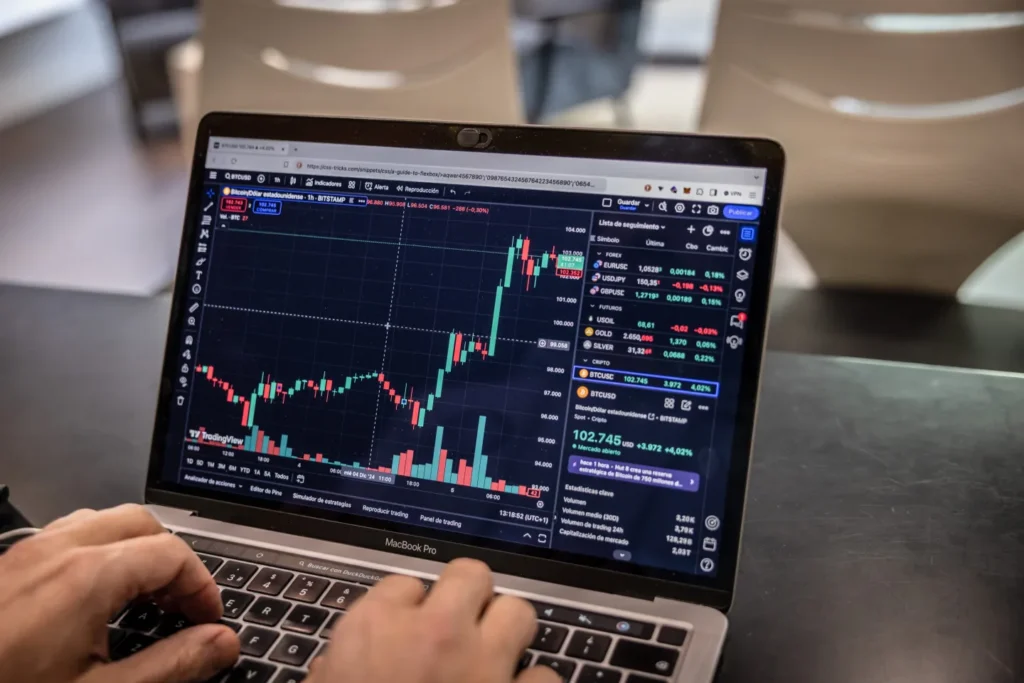
Why Predicting Prices Matters in Crypto
Unlike traditional stocks, cryptocurrency operates 24/7 with unprecedented volatility. Without predictive insights, investors risk:
- Buying high and selling low
- Missing profitable opportunities
- Being affected by market hype or fear
Predictive crypto data enables:
- Data-Driven Decisions: Make trades based on trends and metrics, not guesswork.
- Risk Management: Identify high-risk scenarios before they impact your portfolio.
- Timing Advantage: Enter or exit positions strategically to maximize profits.
💡 Pro Tip: In 2026, real-time and predictive data are more important than ever due to algorithmic and AI-driven trading dominating the market.
Step 1: Understanding Key Crypto Metrics for Price Prediction
Before predicting prices, investors must understand the metrics that drive cryptocurrency value:
- Price: The market value at a given time.
- Market Capitalization (Market Cap): Price × Circulating Supply; indicates size and stability.
- Trading Volume: High volume often confirms trends and breakout potential.
- Liquidity: Determines how easily an asset can be bought or sold.
- Dominance: Percentage of the total crypto market represented by a specific coin.
- Volatility: Measure of price fluctuation over time.
📊 Pro Tip: Understanding these metrics provides the foundation for using crypto data to predict price trends.
Step 2: Tools for Real-Time Crypto Data Analysis
Accurate prediction relies on high-quality data. Here are the best platforms for crypto data online in 2026:
1. CoinMarketCap
- Real-time price tracking
- Market capitalization and volume analysis
- Portfolio management and alerts
2. CoinGecko
- Market and trading data for thousands of coins
- DeFi and NFT tracking
- Community insights
3. Glassnode
- On-chain analytics for Bitcoin, Ethereum, and altcoins
- Metrics include active addresses, transaction volume, and whale activity
4. CryptoQuant
- Exchange inflows and outflows
- Whale tracking and liquidity analysis
- Market sentiment metrics
5. TradingView
- Interactive charts and advanced technical indicators
- Real-time alerts for price and trend shifts
- Social trading ideas and analysis
💡 Pro Tip: Use multiple data sources for cross-validation and more accurate predictions.
Step 3: Technical Analysis for Price Prediction
Technical Analysis (TA) involves studying historical price data to forecast future movements. Popular TA tools include:
- Relative Strength Index (RSI): Indicates overbought (>70) or oversold (<30) conditions.
- Moving Averages (MA): Tracks the average price over a period to identify trends.
- MACD (Moving Average Convergence Divergence): Signals momentum changes.
- Bollinger Bands: Shows volatility and potential reversal points.
- Fibonacci Retracement Levels: Predict areas of support and resistance.
📊 Pro Tip: Beginners should start with 1–2 indicators and gradually expand their toolkit.
Step 4: On-Chain Data for Predicting Prices
On-chain metrics reveal investor behavior and network activity: crypto data
- Active Addresses: Growth indicates increased adoption and potential price rise.
- Transaction Volume: High activity can signal market strength.
- Whale Movements: Large transfers can precede major price changes.
- Staking and DeFi Usage: Demonstrates network utility and demand.
Tools: Glassnode, CryptoQuant, and Dune Analytics provide actionable on-chain insights.

Step 5: Using Market Sentiment for Price Forecasting
Market sentiment often drives short-term crypto price movements:
- Social Media Monitoring: Track platforms like X, Reddit, and Telegram.
- Fear and Greed Index: Quantifies market sentiment extremes.
- News Analysis: Regulations, institutional adoption, or tech upgrades can trigger price movements.
💡 Pro Tip: Predictive strategies often succeed by going against extreme crowd sentiment, buying when fear is high and selling when greed dominates.
Step 6: Combining Multiple Data Sources for Better Predictions
The most accurate predictions come from integrating multiple data types:
- Technical + On-Chain Data: Confirms momentum with actual blockchain activity.
- Volume + Price: Ensures trend strength is backed by market participation.
- Sentiment + Market News: Helps time entries and exits during key events.
- Market Cap + Dominance Analysis: Identifies potential altcoin rallies or Bitcoin-driven shifts.
📊 Pro Tip: Cross-referencing data reduces reliance on a single indicator and increases predictive accuracy.
Step 7: Predictive Models Using AI and Algorithms
In 2026, AI and algorithmic models dominate crypto price prediction:
- Machine Learning Models: Analyze patterns across historical data for forecasts.
- Sentiment AI Tools: Predict market reactions based on social media and news.
- Algorithmic Trading Signals: Generate real-time alerts for high-probability trades.
Example: Predictive models can flag when Bitcoin is likely to correct after a whale-driven pump, helping traders adjust positions in advance.
Step 8: Portfolio Management and Prediction Integration
Price prediction is most effective when tied to portfolio management:
- Dynamic Allocation: Adjust holdings based on predicted trends.
- Stop-Loss and Take-Profit Levels: Protect capital and lock in gains.
- Diversification: Spread risk across coins with different predictive signals.
- Performance Monitoring: Track actual outcomes versus predictions to refine strategy.
💡 Pro Tip: Predictive tools should complement—not replace—risk management and strategy discipline.
Step 9: Predicting Altcoin Prices
Altcoins often provide higher returns but come with more risk:
- Low Market Cap Coins: Potential for explosive growth but high volatility.
- Community Growth: Predicts adoption and price interest.
- Development Updates: Product launches or ecosystem expansions can trigger rallies.
- Liquidity and Volume Analysis: Confirms whether predicted moves are feasible.
Tools: CoinGecko, Messari, and project-specific dashboards help track altcoin-specific metrics.
Step 10: Long-Term Price Predictions
While short-term predictions focus on trends, long-term forecasting relies on fundamental data:
- Tokenomics: Supply mechanisms, burning events, and inflation rates.
- Adoption Metrics: Active users, wallet addresses, and transaction volume.
- Ecosystem Growth: Integration into DeFi, NFTs, and enterprise applications.
- Regulatory Trends: Favorable legislation can drive sustained price growth.
📊 Pro Tip: Long-term predictions combine on-chain activity with market fundamentals for more reliable projections.
Step 11: Common Pitfalls in Predicting Prices
Even with robust data, investors can make mistakes:
- Over-Reliance on a Single Metric: Avoid using only price or sentiment.
- Ignoring Market Cycles: Markets move in phases—recognize accumulation, bull, distribution, and bear periods.
- Chasing Hype Coins: Social buzz does not always reflect value.
- Overtrading: Frequent trades can erode profits.
💡 Rule: Prediction is about probabilities, not certainties.
Step 12: Real-Time Alerts for Price Prediction
Modern crypto platforms allow setting alerts for instant notifications:
- Price Levels: Enter or exit positions at predicted thresholds.
- Volume Changes: Signal potential breakouts or corrections.
- On-Chain Movements: Track whale activity affecting price.
- Sentiment Shifts: Adjust strategy if public mood changes sharply.
Tools: CoinMarketCap, TradingView, Glassnode, and CryptoQuant offer alert functionality.
Step 13: Mobile and Desktop Platforms
In 2026, predictive analysis is accessible across devices:
- Mobile Apps: CoinMarketCap, CoinGecko, and Delta allow monitoring anytime.
- Desktop Platforms: TradingView, Glassnode, and CryptoQuant for advanced analysis.
- Integrated Dashboards: Combine price, technical indicators, on-chain, and sentiment data.
📱 Pro Tip: A multi-device strategy ensures you never miss critical market movements.
Step 14: Strategies for Beginners Using Predictive Data
Beginners can benefit from prediction tools by:
- Starting with Bitcoin and Ethereum predictions.
- Following data-driven alerts for small, manageable trades.
- Combining price prediction with portfolio diversification.
- Learning from outcomes to improve accuracy over time.
💡 Pro Tip: Focus on understanding the data first; profits follow knowledge and discipline.
Step 15: Future of Predictive Crypto Data in 2026
Emerging trends in predictive crypto data include:
- AI-Powered Predictive Analytics: Predict market trends with increasing accuracy.
- Cross-Chain Insights: Track multiple blockchains simultaneously.
- Real-Time Sentiment Integration: Instantaneously gauge investor psychology.
- Institutional-Grade Tools for Retail Investors: Previously exclusive insights are now widely available.
📊 Pro Tip: Early adoption of predictive technology can give retail investors a strategic advantage.
Conclusion: Master Price Prediction with Crypto Data Online
Predicting crypto prices is no longer a guessing game. By combining real-time crypto data, technical analysis, on-chain metrics, sentiment analysis, and AI tools, investors in 2026 can make data-driven, high-probability decisions.
🚀 Final Thought: While the market remains unpredictable, using crypto data online transforms uncertainty into strategy, turning volatility into opportunity. Smart investors don’t gamble—they analyze, predict, and act.