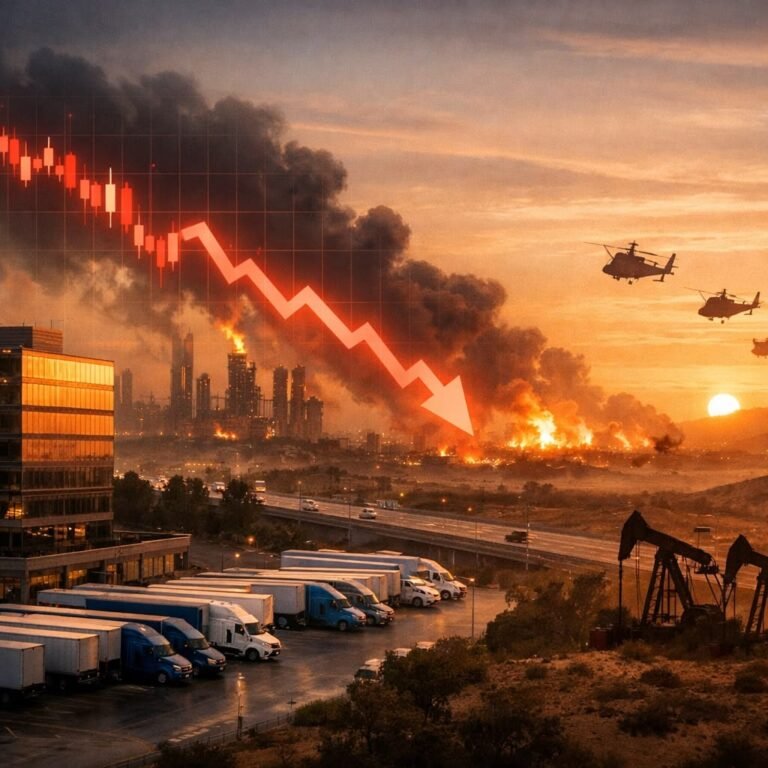
The Iran-Israel missile conflict continues to attract global attention as tensions across the Middle East remain high. Military warnings, defense operations, and political reactions are increasing concerns among governments, investors, and ordinary citizens. As a result, international audiences are closely following reliable Iran News updates.
Background of the Iran-Israel Tension
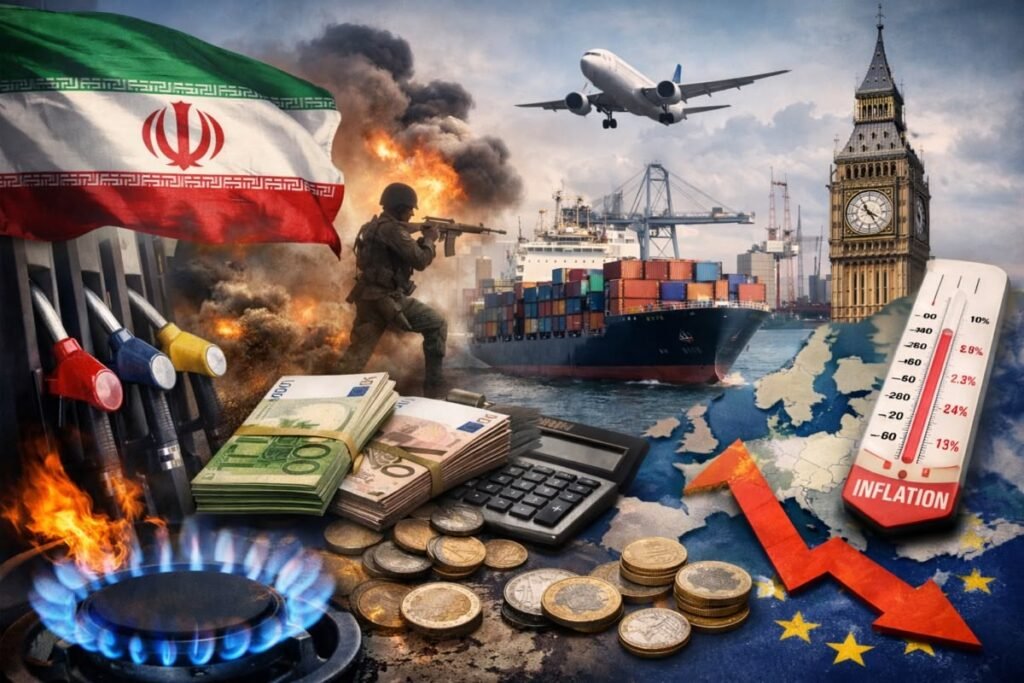
The relationship between Iran and Israel has remained tense for decades. Political disagreements, regional influence, military concerns, and security policies have created deep mistrust between the two sides.
According to analysts monitoring Iran News, the current missile conflict is connected to long-standing geopolitical competition in the Middle East.
Meanwhile, both countries continue strengthening defense systems and intelligence operations.
At the same time, regional conflicts and proxy groups have increased pressure across several areas of the Middle East.
As a result, even small military incidents can quickly attract international concern.
Furthermore, global powers are carefully watching the situation because wider conflict could affect international security and economic stability.
Missile Technology and Military Operations
Modern missile systems have become one of the most important factors in Middle East security.
Several military experts discussing Iran News often focus on missile range, air defense systems, radar technology, and drone operations.
Meanwhile, governments across the region are improving military readiness because missile attacks can target strategic infrastructure and security positions.
At the same time, air defense systems are becoming increasingly important for protecting cities, military bases, and energy facilities.
In addition, drone technology is also changing modern warfare. Drones are less expensive than traditional aircraft, yet they can still create major security threats.
Consequently, regional countries continue investing heavily in advanced defense technology.
However, analysts warn that increasing military activity may also raise the risk of accidental escalation.
Israel’s Security Concerns
Israel continues focusing heavily on missile defense and regional security because of ongoing military threats.
Reports linked to Iran News frequently mention air defense systems, intelligence cooperation, and military preparedness.
Meanwhile, Israeli officials continue emphasizing the importance of protecting strategic infrastructure and civilian areas.
At the same time, regional military developments are increasing pressure on national security planning.
Therefore, Israel continues strengthening defense partnerships and surveillance capabilities.
In addition, military experts believe rapid response systems are now essential because missile attacks can happen within minutes.
As a result, emergency preparedness remains a major security priority.
Iran’s Position and Strategic Response
Iran continues defending its regional policies and military strategy while responding to international pressure.
Many international observers following Iran News believe Iran views strong defense capabilities as necessary for national security.
Meanwhile, Iranian officials continue criticizing foreign military influence in the Middle East.
At the same time, economic sanctions and diplomatic pressure remain major challenges for the country.
In addition, regional alliances and strategic partnerships continue shaping Iran’s political and military decisions.
Consequently, the country remains an important player in Middle East security discussions.
However, analysts also believe diplomatic communication remains necessary to avoid wider confrontation.
The Role of the United States
The United States remains deeply involved in Middle East security because of military partnerships, strategic interests, and economic concerns.
American officials closely monitor every major update connected to Iran News and regional stability.
Meanwhile, US military forces continue operating in several important areas across the Middle East.
Naval patrols, intelligence cooperation, and defense systems remain key parts of American regional strategy.
At the same time, Washington continues balancing military readiness with diplomatic efforts.
Many experts believe the United States wants to avoid a larger regional war because of global economic risks.
Therefore, diplomatic communication with allies and international organizations remains active.
Impact on Global Oil Prices
The Middle East remains one of the world’s most important energy-producing regions.
Because of this, military tension connected to Iran News can quickly affect international oil prices.
When conflict fears increase, investors often become cautious. Consequently, energy prices may rise sharply.
Higher fuel costs affect transportation, manufacturing, agriculture, and household expenses around the world.
Meanwhile, shipping companies continue monitoring strategic waterways closely because trade routes remain sensitive during military tension.
If instability increases, shipping insurance and transportation costs may also rise.
As a result, global markets continue reacting strongly to regional developments.
Cybersecurity and Information Warfare
Modern military conflicts now include cybersecurity and digital operations.
Experts discussing Iran News frequently mention cyberattacks targeting communication systems, banks, transportation networks, and energy infrastructure.
Because digital systems control many important services, cyberattacks can create serious disruption without direct military action.
Meanwhile, misinformation campaigns on social media are becoming another major challenge.
False reports and emotional content can spread rapidly during periods of tension.
Therefore, readers should always verify updates through trusted and reliable news sources.
In addition, governments continue investing heavily in digital defense systems.
Consequently, cybersecurity is now a major part of modern geopolitical competition.
Diplomatic Efforts to Reduce Tension
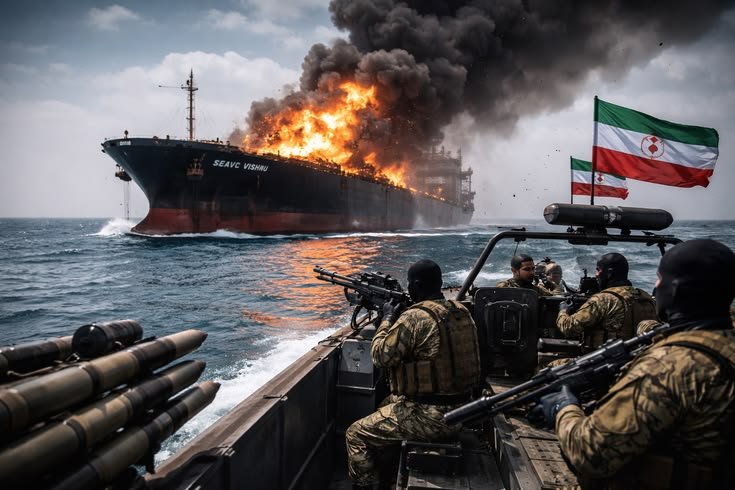
Despite military pressure, diplomatic negotiations continue behind the scenes.
Several international leaders involved in discussions related to Today Iran News are encouraging restraint and peaceful dialogue.
Meanwhile, global organizations continue warning about the humanitarian and economic risks of wider conflict.
At the same time, emergency communication channels remain active between several governments.
Many experts believe diplomacy remains the best option for reducing long-term instability.
In addition, economic concerns are encouraging countries to avoid major military escalation.
Therefore, international negotiation efforts continue even during periods of public political disagreement.
Humanitarian and Civilian Concerns
Ordinary civilians are often the most affected during periods of political and military instability.
Several humanitarian organizations connected to Iran News continue expressing concern about public safety, rising prices, and economic hardship.
Meanwhile, families living near sensitive areas remain worried about security and future stability.
Healthcare systems, transportation networks, and local businesses may also experience pressure during long periods of tension.
In addition, fear of conflict can increase emotional stress and social uncertainty.
Consequently, humanitarian organizations continue encouraging peaceful political solutions.
Media Coverage and Public Attention
International media organizations continue providing constant updates about the Iran-Israel missile conflict.
At the same time, readers searching for Iran News want balanced reporting and verified facts.
Because information spreads rapidly online, misinformation can sometimes create confusion and panic.
Therefore, responsible journalism remains extremely important during sensitive political situations.
In addition, strong headlines and emotional reporting can influence public opinion around the world.
Consequently, governments closely monitor international media coverage.
Readers should focus on trusted reporting instead of social media rumors.
Possible Future Scenarios
Security experts are currently discussing several possible future outcomes.
Some analysts believe diplomatic talks may eventually reduce tension, while others fear repeated military incidents could increase regional instability.
Several strategic forecasts connected to Iran News suggest three major possibilities.
Limited Military Exchange
Small military operations could continue while international powers work to prevent wider war.
Long-Term Political Pressure
Countries may continue using sanctions, cyber operations, and diplomatic pressure instead of direct large-scale conflict.
Diplomatic Agreement
Successful negotiations could reduce mistrust and improve regional stability over time.
Most experts agree that communication and international cooperation remain essential in every scenario.
What the World Is Watching
Global leaders, financial markets, and security agencies are closely monitoring military activity, diplomatic meetings, oil prices, and cyber threats.
Meanwhile, readers following Iran News should pay attention to verified government statements and trusted international analysis.
Sudden market changes can also reveal growing international concern.
In addition, humanitarian reports remain important because they show how political tension affects ordinary communities.
Therefore, balanced and accurate information is necessary for understanding the complete situation.
Conclusion
The Iran-Israel missile conflict continues shaping Middle East security, international politics, and global economic stability.
Military readiness, diplomatic pressure, and cybersecurity risks are all influencing the future direction of the crisis.
At the same time, global leaders continue trying to prevent wider regional conflict through negotiation and communication.
Many people around the world are carefully following Iran News because developments in the Middle East can affect energy prices, trade routes, and international security.