Iran News remains a key source for understanding the ongoing shadow war between Iran and Israel. Because this conflict is mostly indirect, it often happens away from public view. Therefore, updates usually come through reports of cyber activity, targeted strikes, intelligence actions, and proxy clashes.
At the same time, both sides avoid full-scale war. While tensions stay high, actions are often limited and calculated. As a result, the conflict continues in a controlled but serious manner. Moreover, global powers monitor each move closely, which adds pressure to avoid escalation.
What Is the Shadow War?
Iran News: Definition and Nature
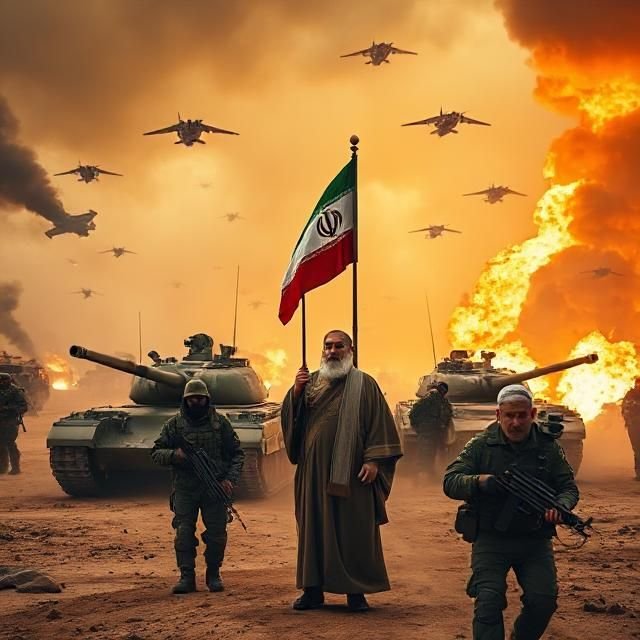
A shadow war is a conflict that happens indirectly. Because both sides avoid open war, they use covert methods. Therefore, actions include cyber attacks, intelligence operations, and limited strikes.
Why It Stays Hidden
Both Iran and Israel want to protect their interests without triggering a large war. As a result, they act carefully and often deny involvement. Therefore, much of the conflict remains unclear.
Role in Iran News
Because events are often secret, reports rely on partial information. However, Iran News still tracks patterns, official statements, and confirmed incidents to build a clearer picture.
Iran News: Historical Background
Early Tensions
Tension between Iran and Israel grew after the 1979 Islamic Revolution. Because Iran changed its foreign policy, relations with Israel ended. Therefore, rivalry began to grow.
Growth of Indirect Conflict
Over time, both sides increased indirect actions. While direct war was avoided, intelligence and military operations expanded. As a result, the shadow war became a long-term strategy.
Regional Spread
The conflict spread beyond borders. Because both countries operate through allies, events occur in Syria, Lebanon, and beyond. Therefore, the shadow war affects the wider region.
Key Features of the Shadow War
Cyber Operations
Cyber attacks play a major role. Because they can disrupt systems without physical damage, they are widely used. Therefore, both sides invest heavily in cyber capability.
Targeted Strikes
Limited strikes on facilities or positions occur from time to time. While these actions send strong messages, they are often controlled. As a result, escalation is managed.
Intelligence Activity
Intelligence agencies gather information and carry out operations. Because secrecy is essential, details are rarely confirmed. Therefore, reports often rely on indirect evidence.
Iran News: Latest Updates in the Shadow War
Increased Cyber Tension
Recent Iran News shows a rise in cyber activity. Because digital systems are key to modern life, attacks target infrastructure and communication. As a result, both sides strengthen cyber defense.
Activity in Syria
Syria remains a key area of conflict. Because Iran has a presence there, Israel monitors closely. Therefore, reports of air activity and security operations continue.
Maritime Incidents
There have been incidents involving ships in regional waters. While responsibility is often unclear, these events suggest ongoing tension. As a result, shipping security becomes important.
Strategic Messaging
Both sides use public statements to signal strength. While avoiding direct conflict, they send warnings through media. Therefore, messaging becomes part of the strategy.
Role of Proxy Groups
Iran’s Regional Allies
Iran supports allied groups in the region. Because of this network, it can act indirectly. Therefore, influence extends beyond its borders.
Impact on Conflict
Proxy groups add complexity. While they help avoid direct war, they increase regional tension. As a result, conflict spreads across multiple areas.
Coverage in Iran News
Reports often focus on proxy activity. Because these groups are active in many locations, they play a major role in updates.
Israel’s Strategic Approach
Security Focus
Israel prioritizes national security. Because it sees threats in regional developments, it takes preventive action. Therefore, its strategy includes intelligence and defense measures.
Technological Advantage
Israel invests in advanced technology. As a result, it has strong cyber and defense capabilities. Therefore, it can respond quickly to threats.
Controlled Response
While acting firmly, Israel avoids actions that may lead to full war. Therefore, responses are often limited and strategic.
Iran’s Strategic Approach
Deterrence Policy
Iran focuses on deterrence. Because it aims to prevent attacks, it builds defensive and regional strength. Therefore, it maintains a strong presence in key areas.
Use of Alliances
Iran works with regional partners. As a result, it can influence events without direct confrontation. Therefore, alliances are central to its strategy.
Balance Between Action and Restraint
Iran responds to pressure while avoiding escalation. Therefore, it carefully measures each move.
Global Reactions and Involvement
United States Role
The United States Supports Israel and monitors Iran. Because of its influence, it plays a key role in shaping outcomes. Therefore, its actions affect the balance.
European Perspective
European countries call for stability. While supporting diplomacy, they also address security concerns. As a result, they act as mediators in some cases.
Regional Responses
Neighboring countries watch closely. Because instability affects everyone, they aim to avoid escalation. Therefore, regional cooperation becomes important.
Economic and Security Impact

Energy Markets
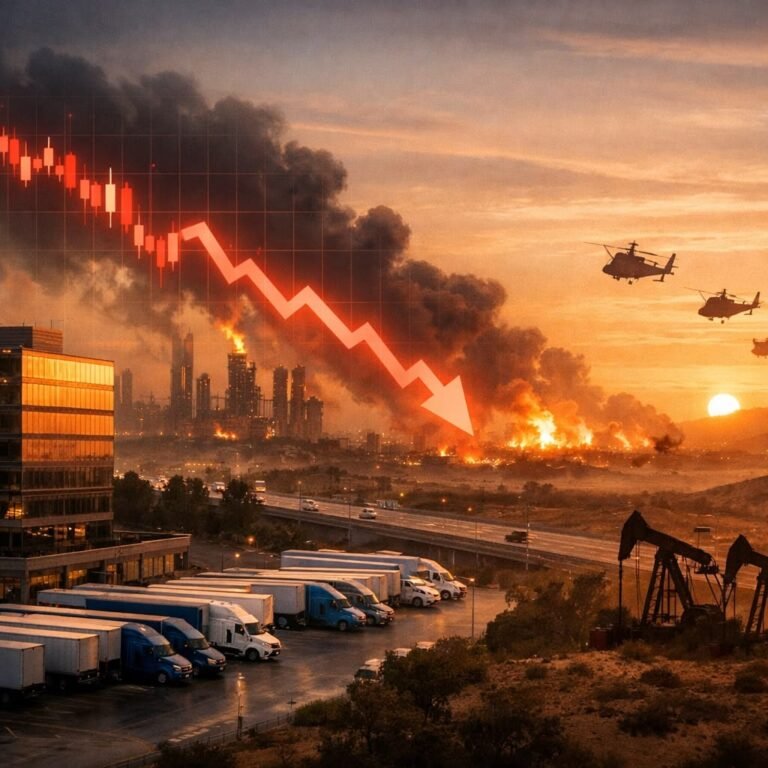
Tension affects oil supply routes. Because the region is key to energy, prices may change quickly. Therefore, global markets react to updates.
Trade and Shipping
Security concerns affect shipping routes. As a result, costs increase, and routes adjust. Therefore, trade patterns shift over time.
National Security Spending
Countries invest more in defense. Because threats continue, security budgets rise. Therefore, long-term planning includes military readiness.
Media and Information Challenges
Limited Transparency
Because the conflict is hidden, information is limited. Therefore, reports may lack full details.
Risk of Misinformation
Fast news cycles can spread unverified claims. As a result, readers must check sources carefully.
Importance of Reliable Iran News
Following trusted sources helps build understanding. Therefore, accurate reporting is essential.
Humanitarian Perspective
Civilian Safety
Although actions are targeted, civilians may still face risk. Therefore, safety remains a concern.
Psychological Impact
Ongoing tension creates stress. As a result, people in affected areas face uncertainty.
Need for Stability
Long-term peace benefits everyone. Therefore, reducing conflict is a shared goal.
Future Outlook
Continued Shadow Conflict
The shadow war is likely to continue. Because direct war is risky, indirect methods will remain common.
Risk of Escalation
Unexpected events could increase tension. However, both sides aim to avoid large conflict. Therefore, careful management is key.
Role of Diplomacy
Diplomacy offers a path to reduce tension. As a result, global efforts focus on dialogue and stability.
Conclusion
Iran News provides important insight into the Israel–Iran shadow war and its latest updates. Because this conflict is complex and often hidden, understanding its patterns is essential. Therefore, readers must follow developments carefully.
Although tension continues, both sides avoid full-scale war. With ongoing diplomacy and controlled actions, stability remains possible. As a result, Iran News will continue to be a key source for tracking this evolving situation.